GERALD JOHNSON
The Architecture of Color and Order (1944–2009)
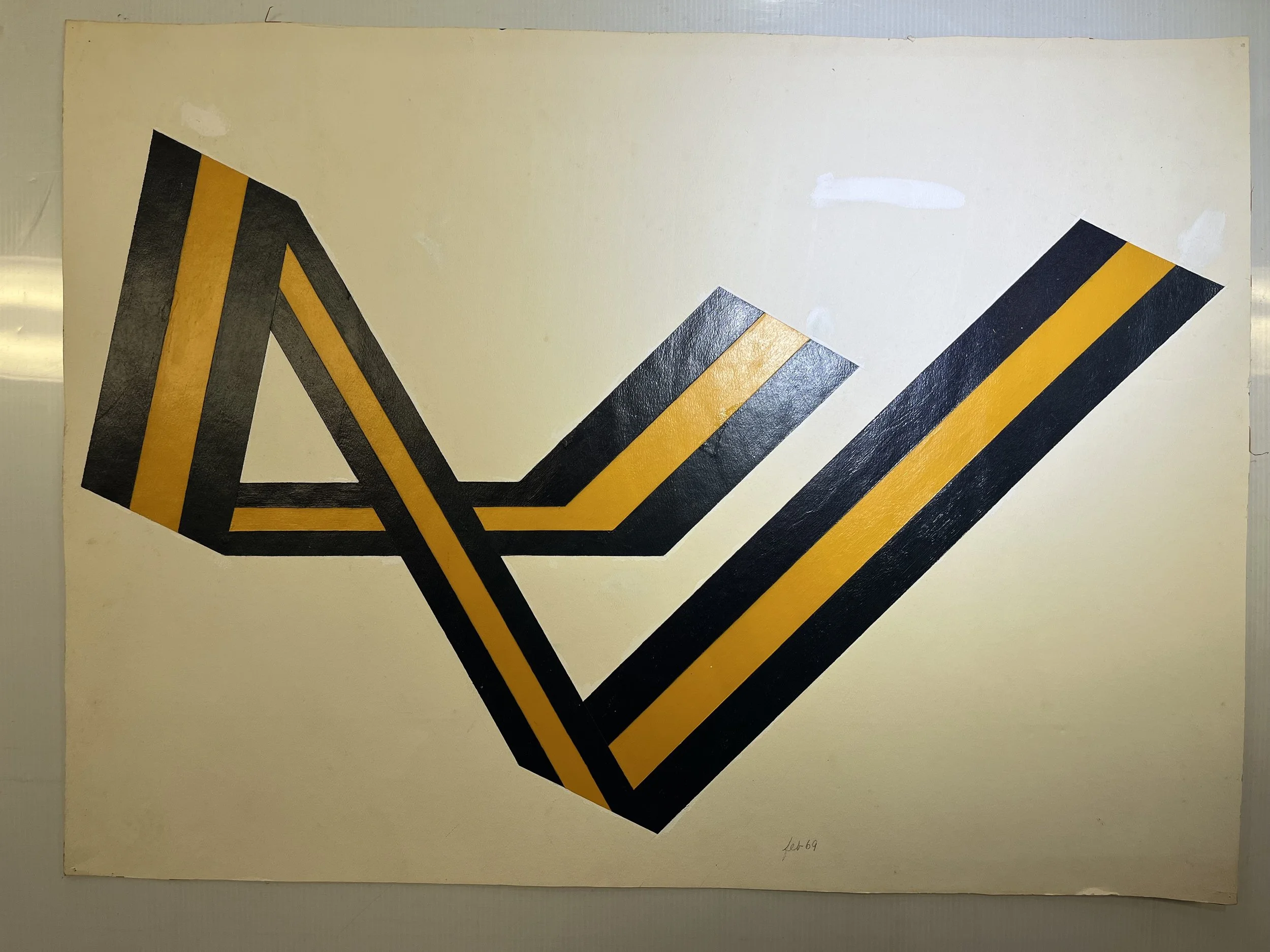
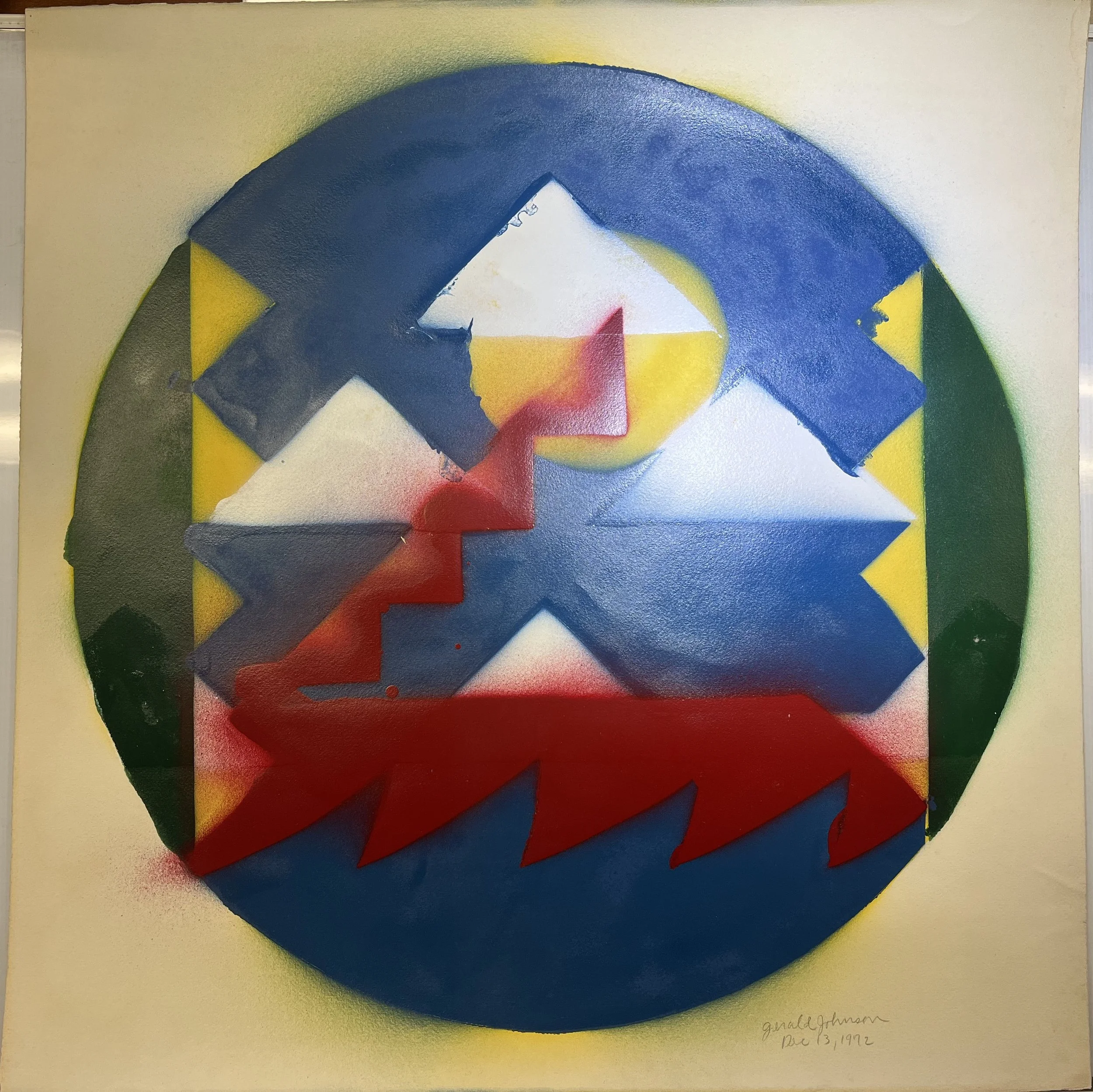
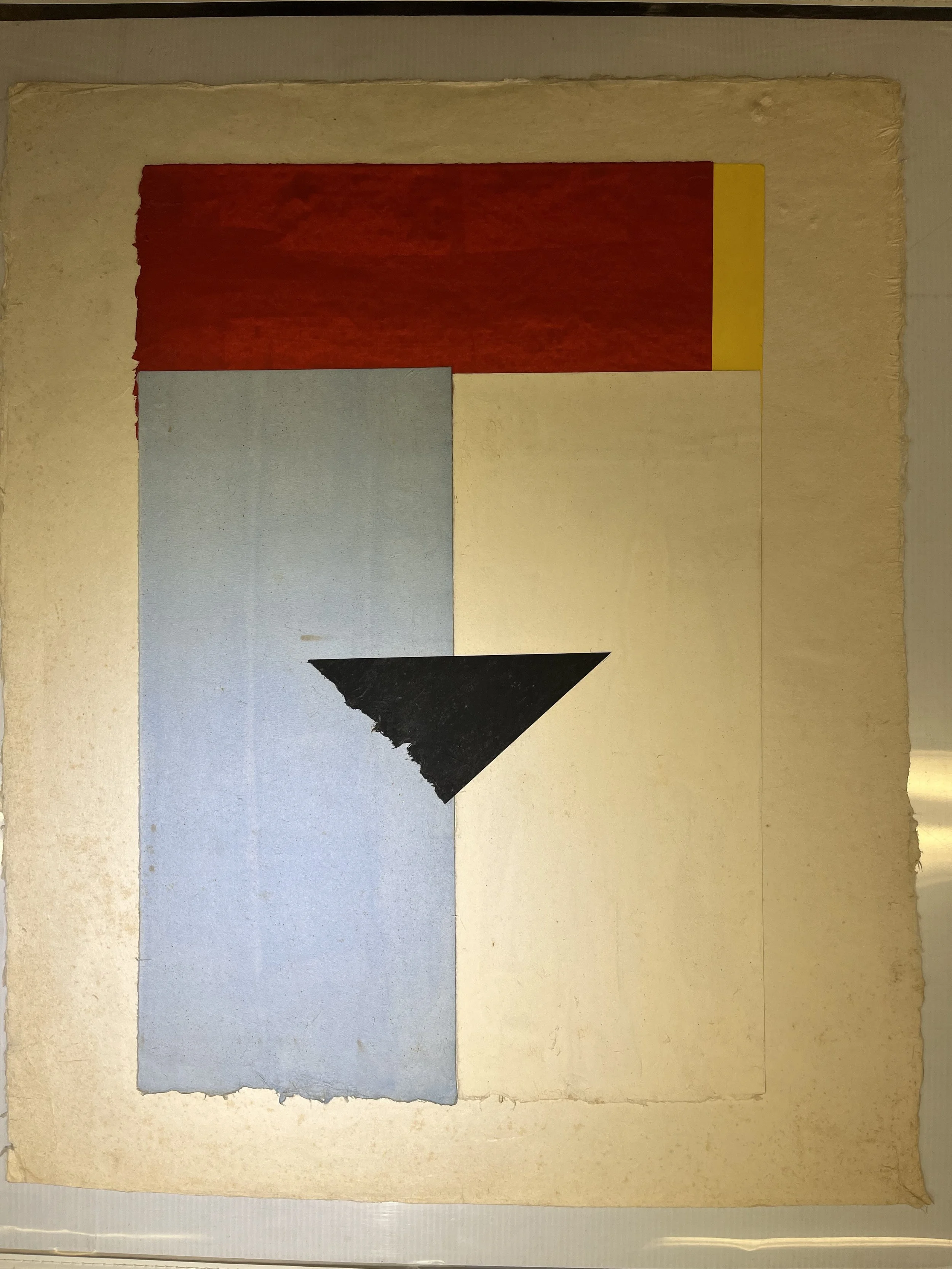
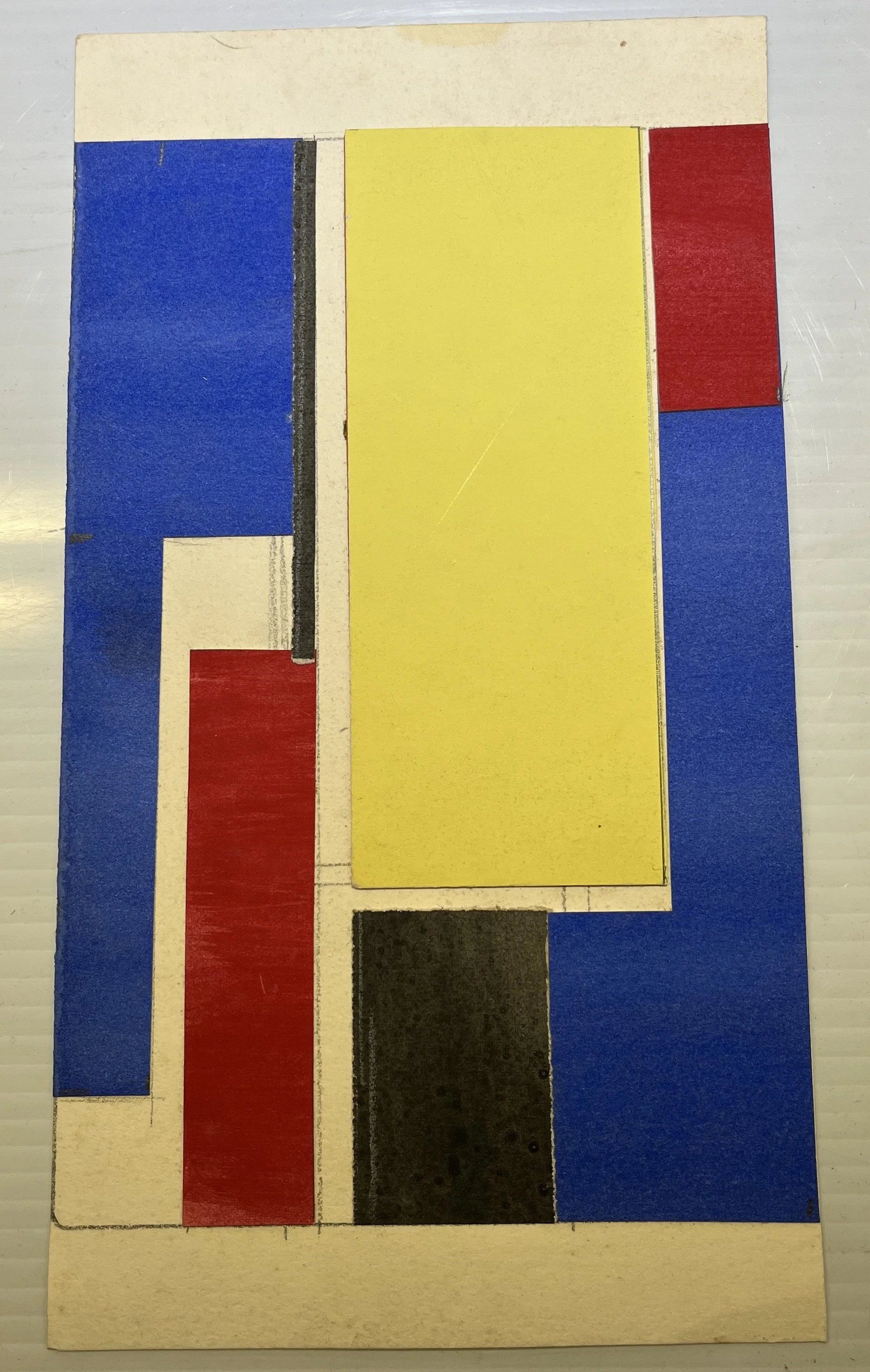
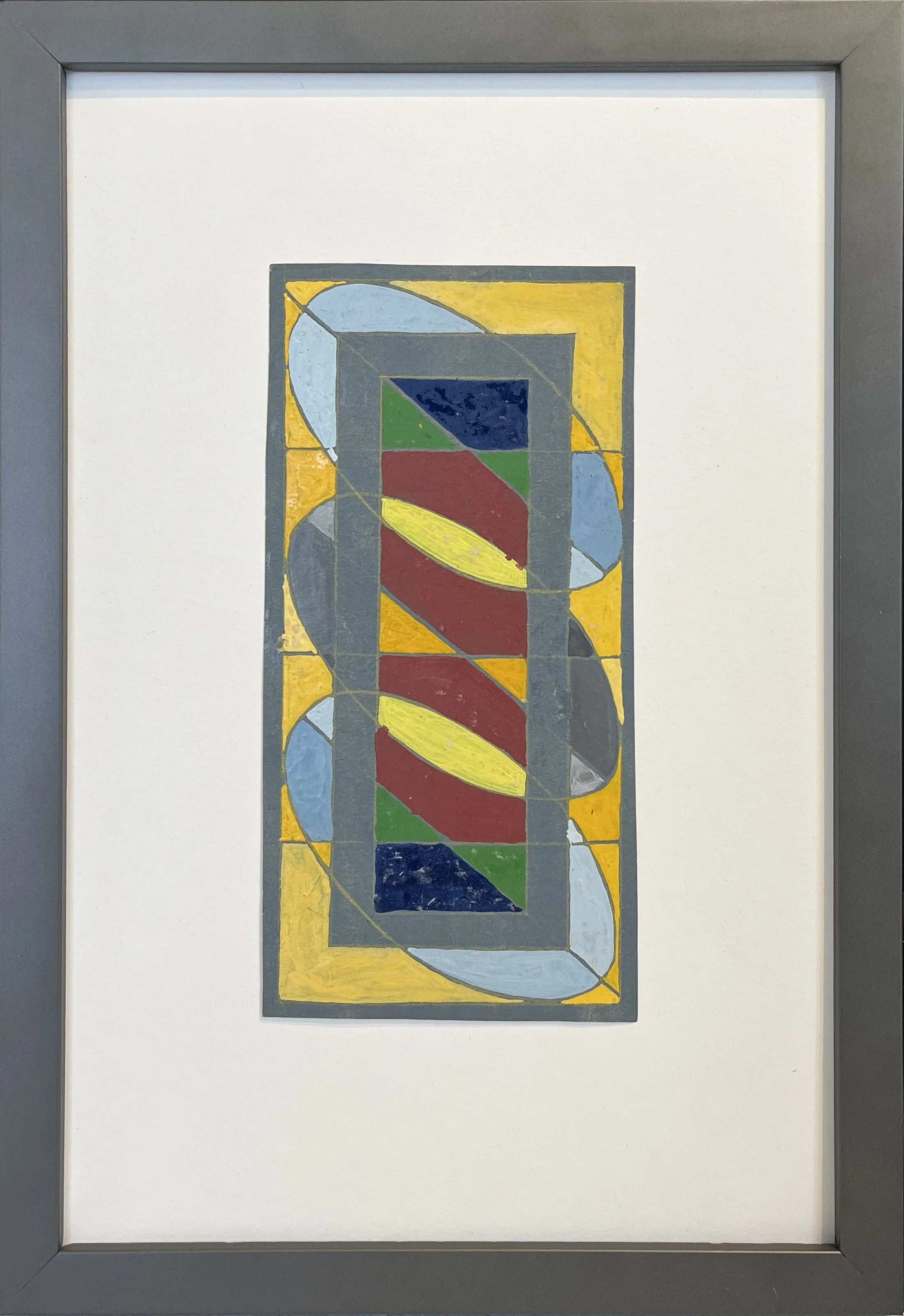
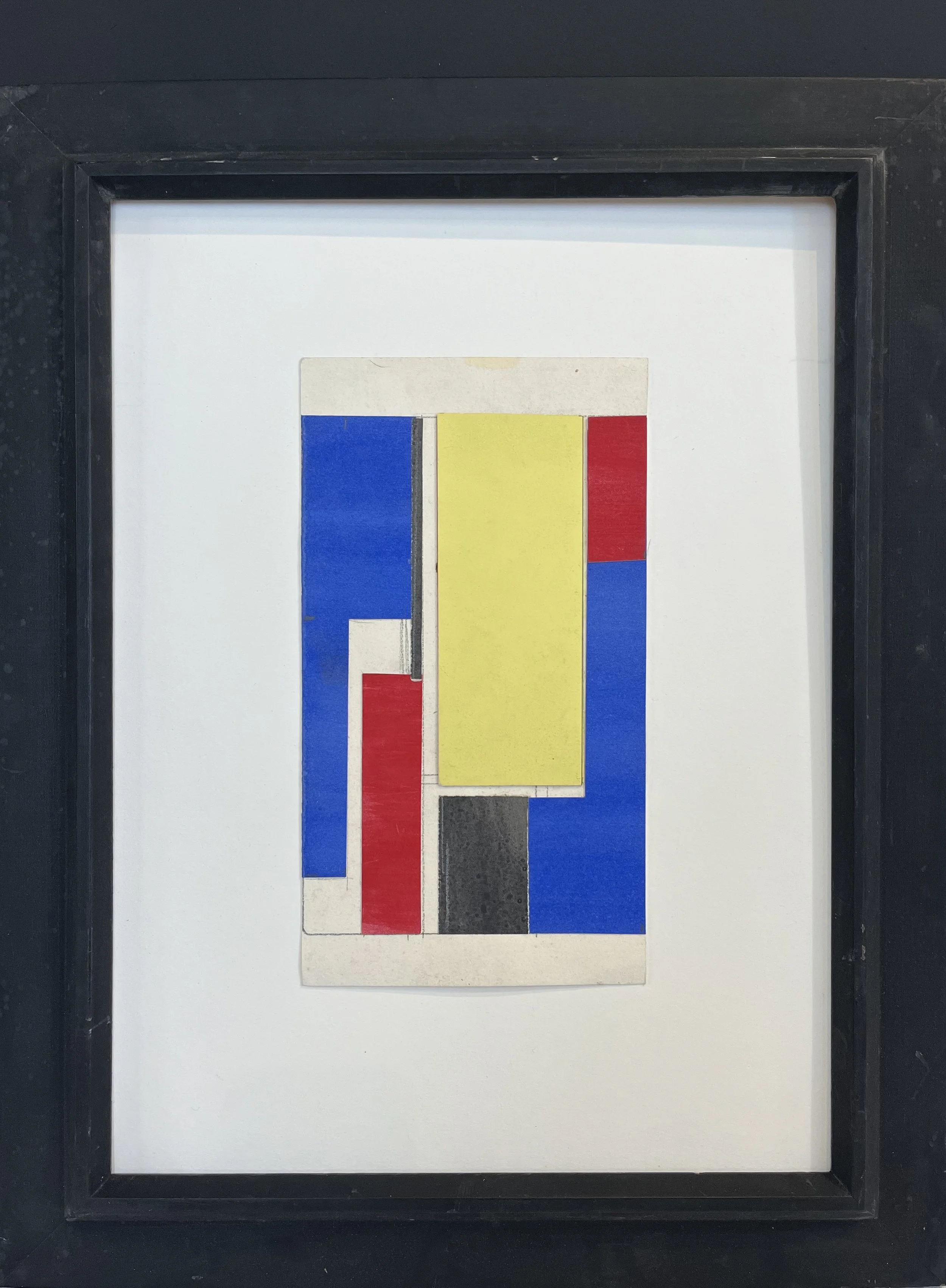
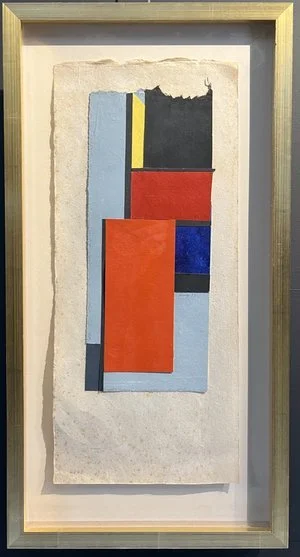
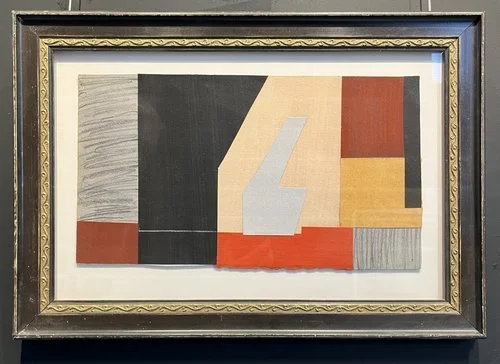
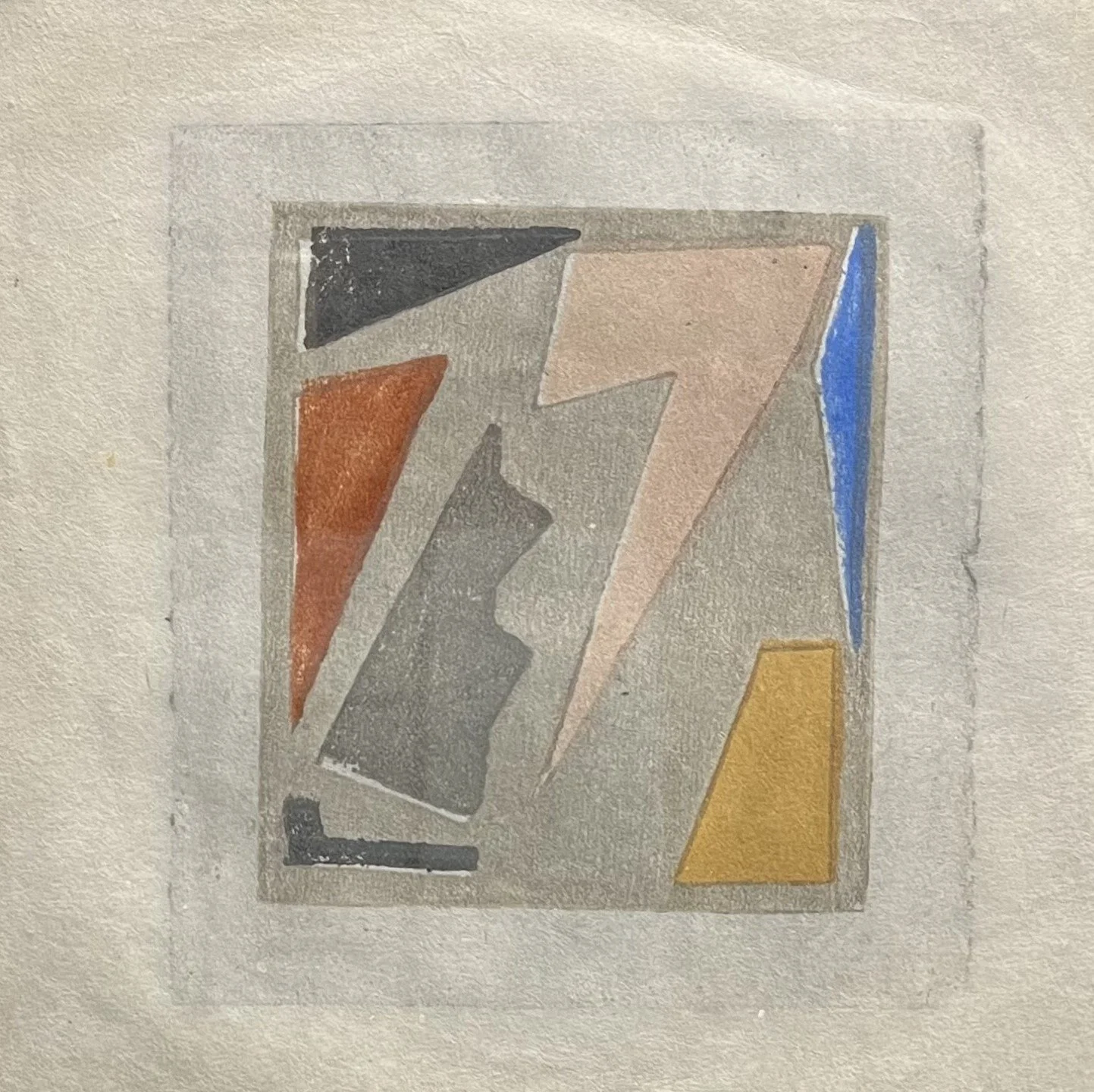
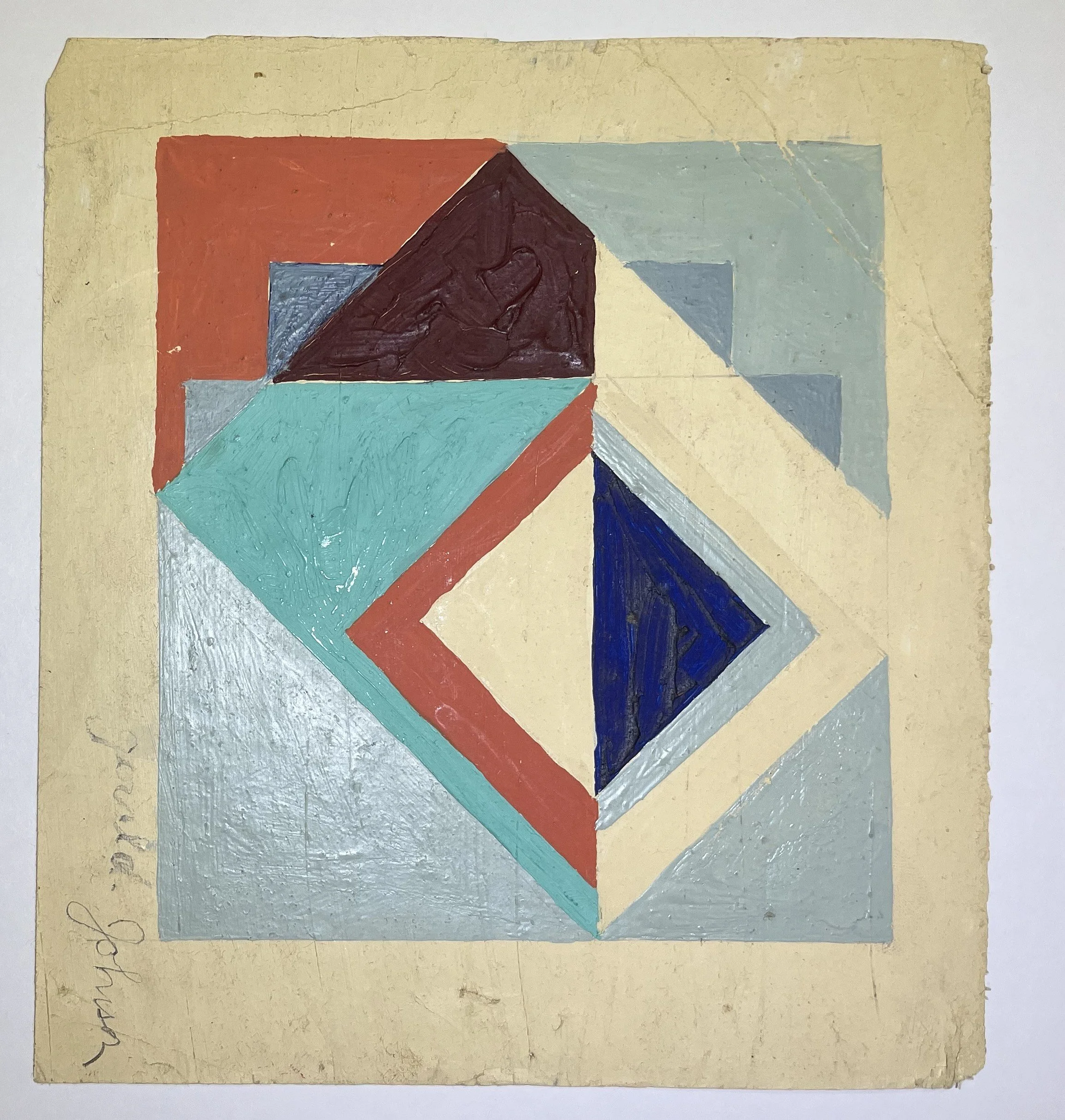
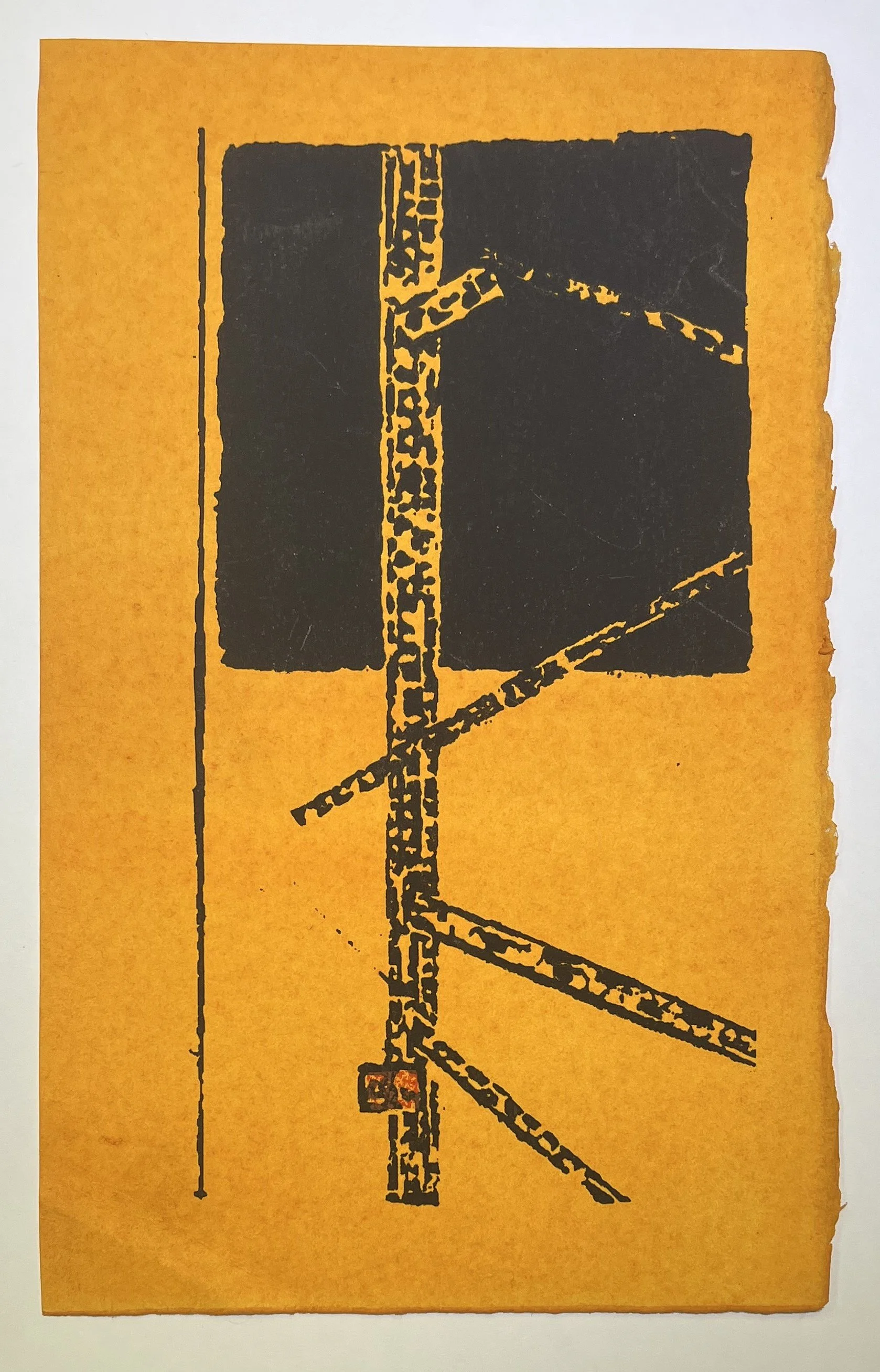
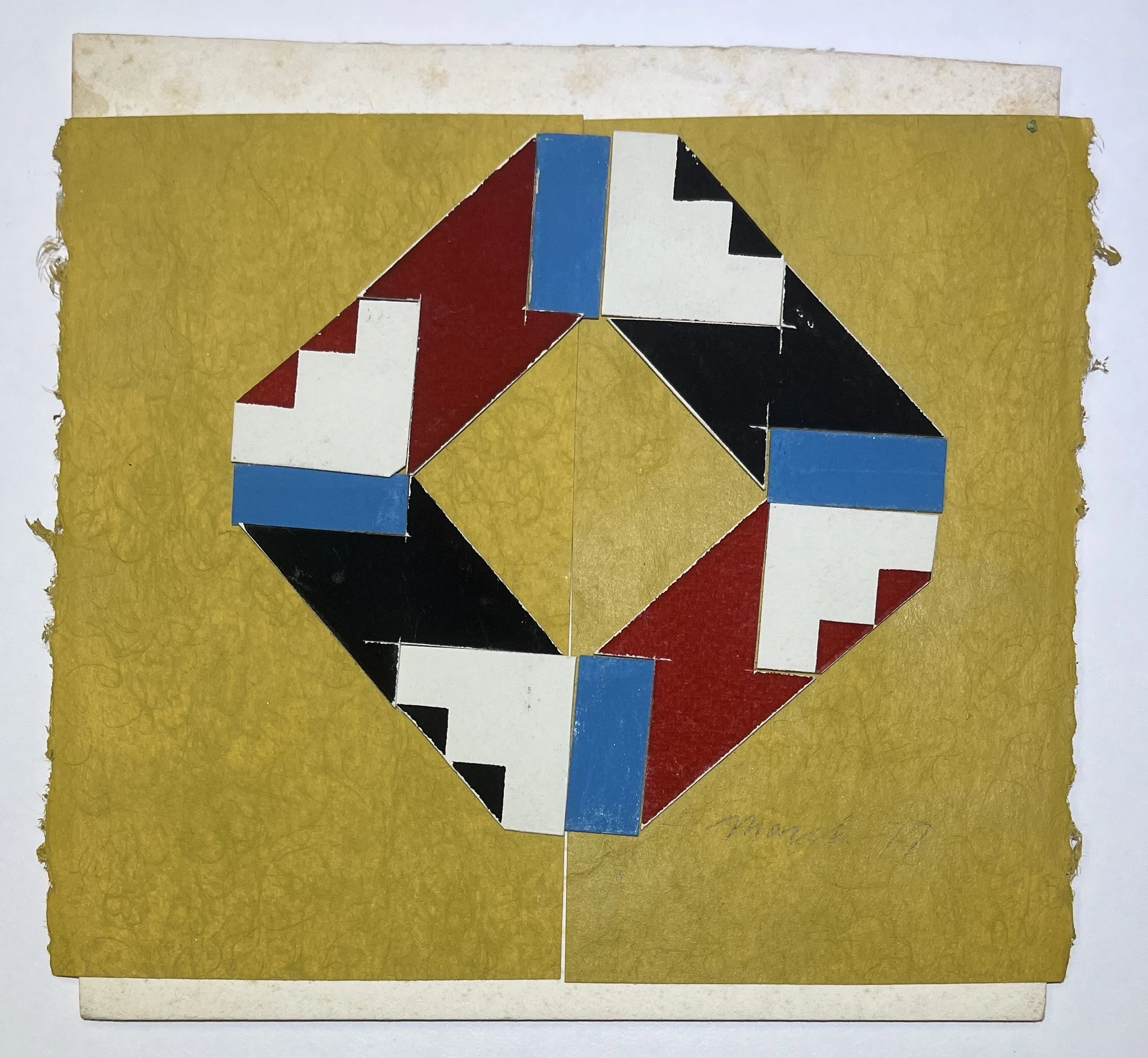
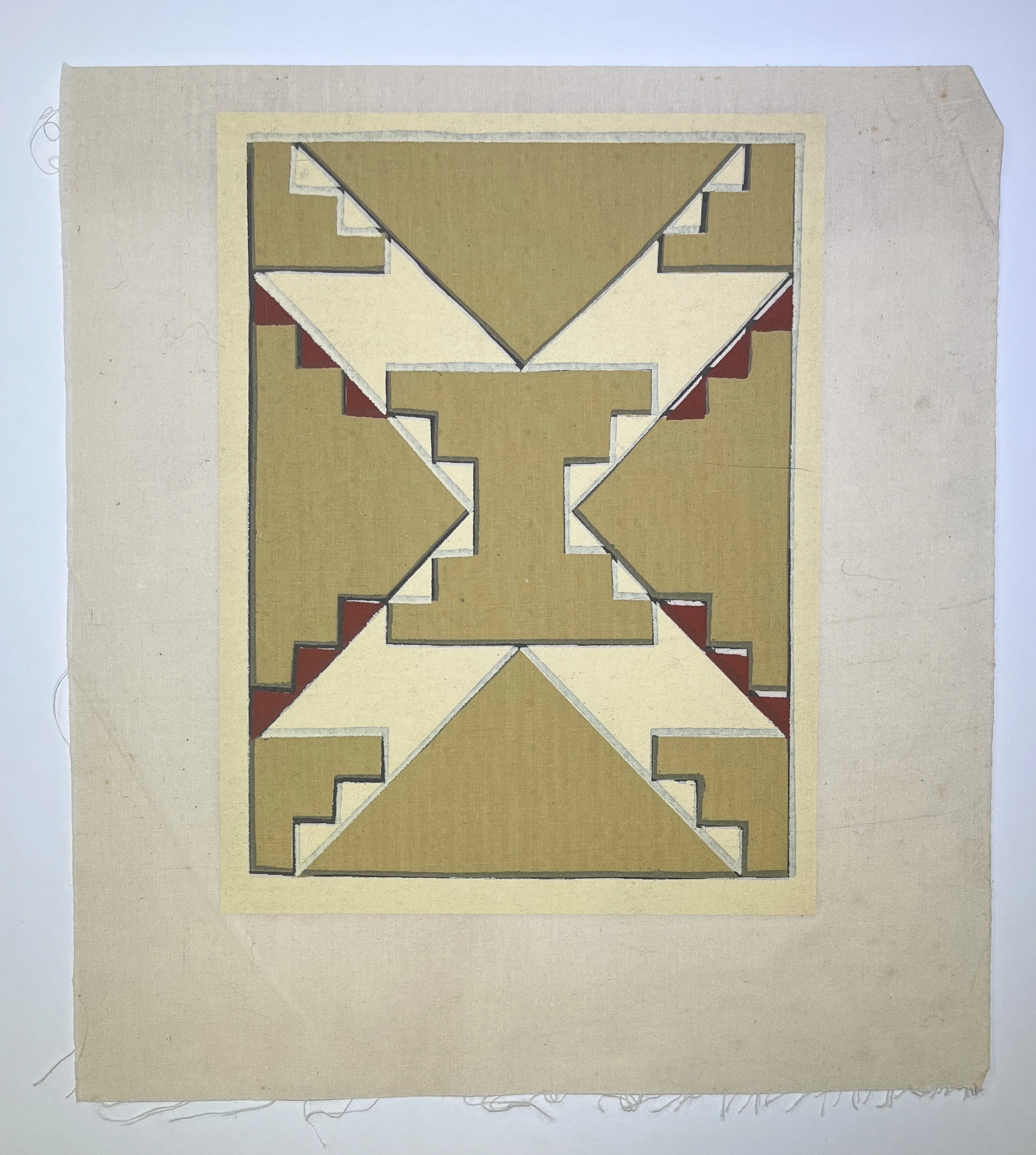
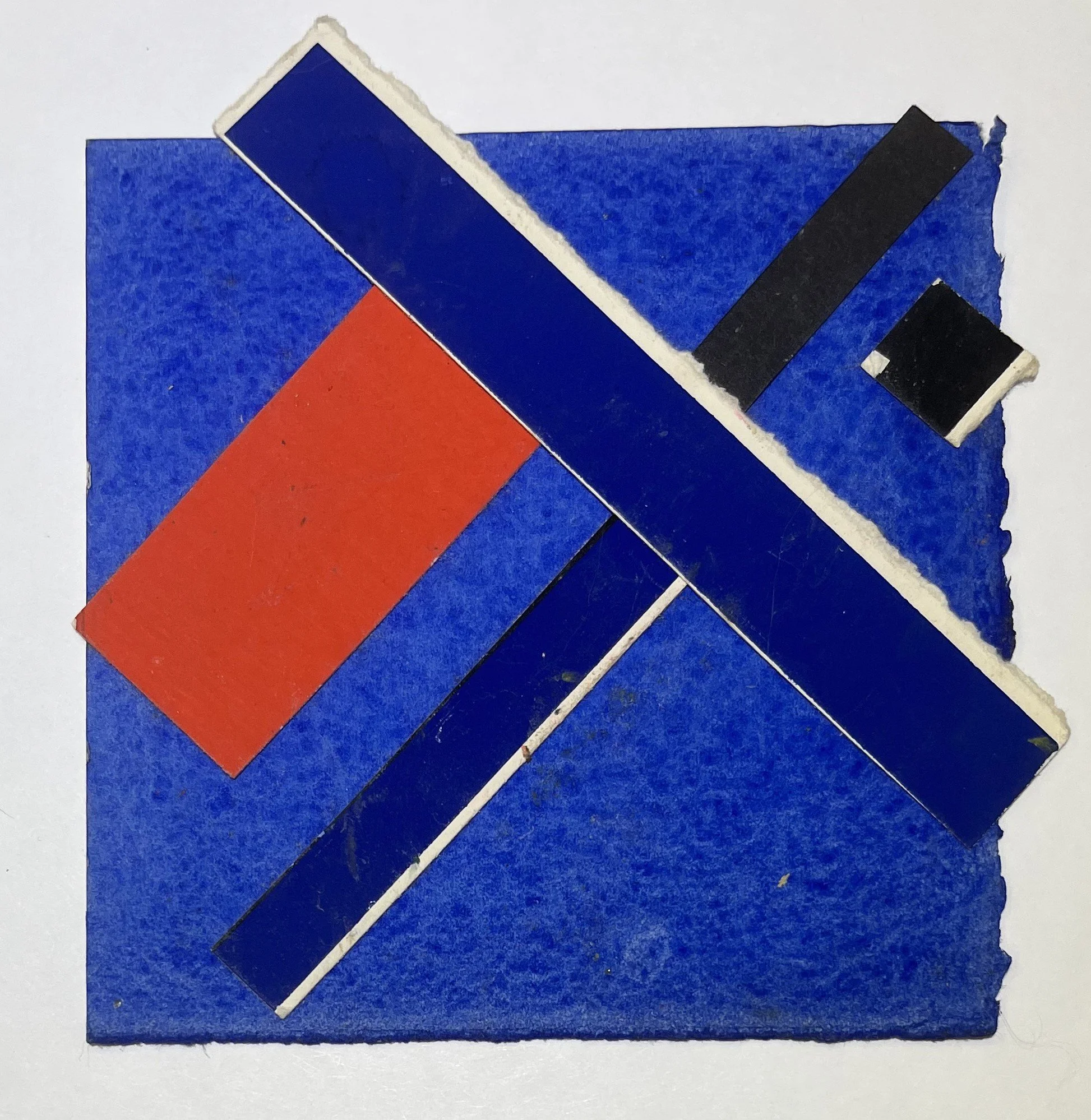
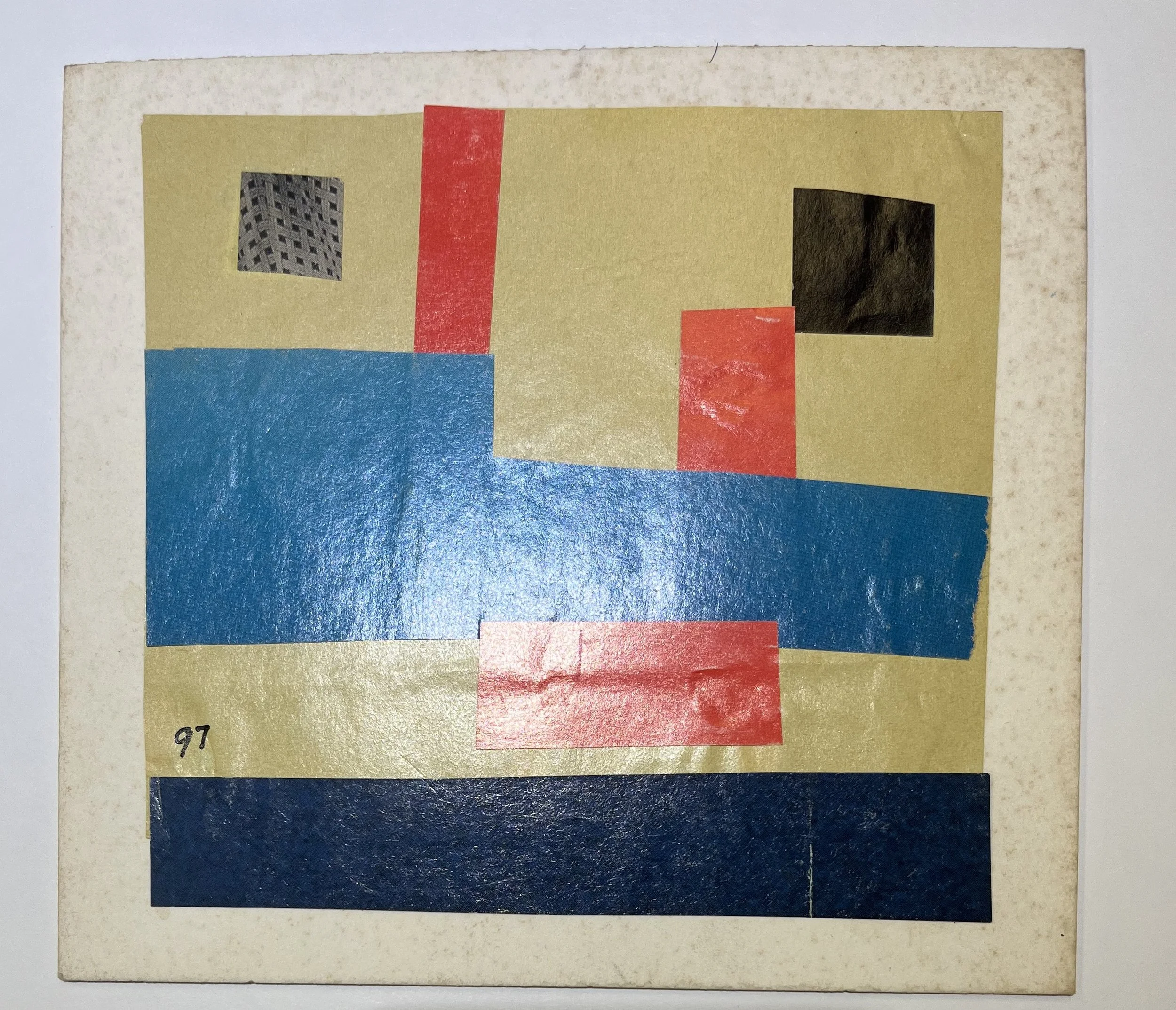
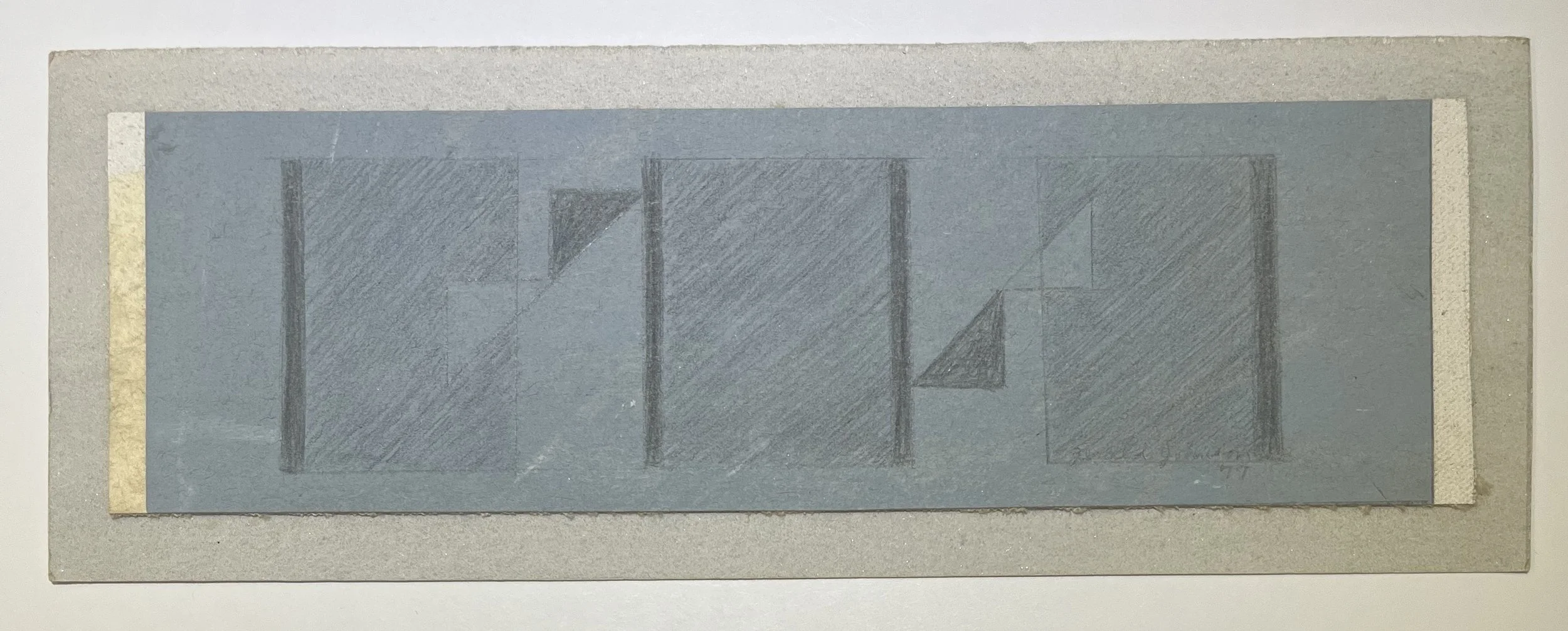
Gerald Johnson was more than an abstract artist; he was a master of precision. A central figure in the New York art world for over four decades, Johnson’s work represents a bridge between the Pop Art explosion of the 1960s and the rigorous geometric traditions of the Bauhaus movement, focusing on the relationship between color and form.
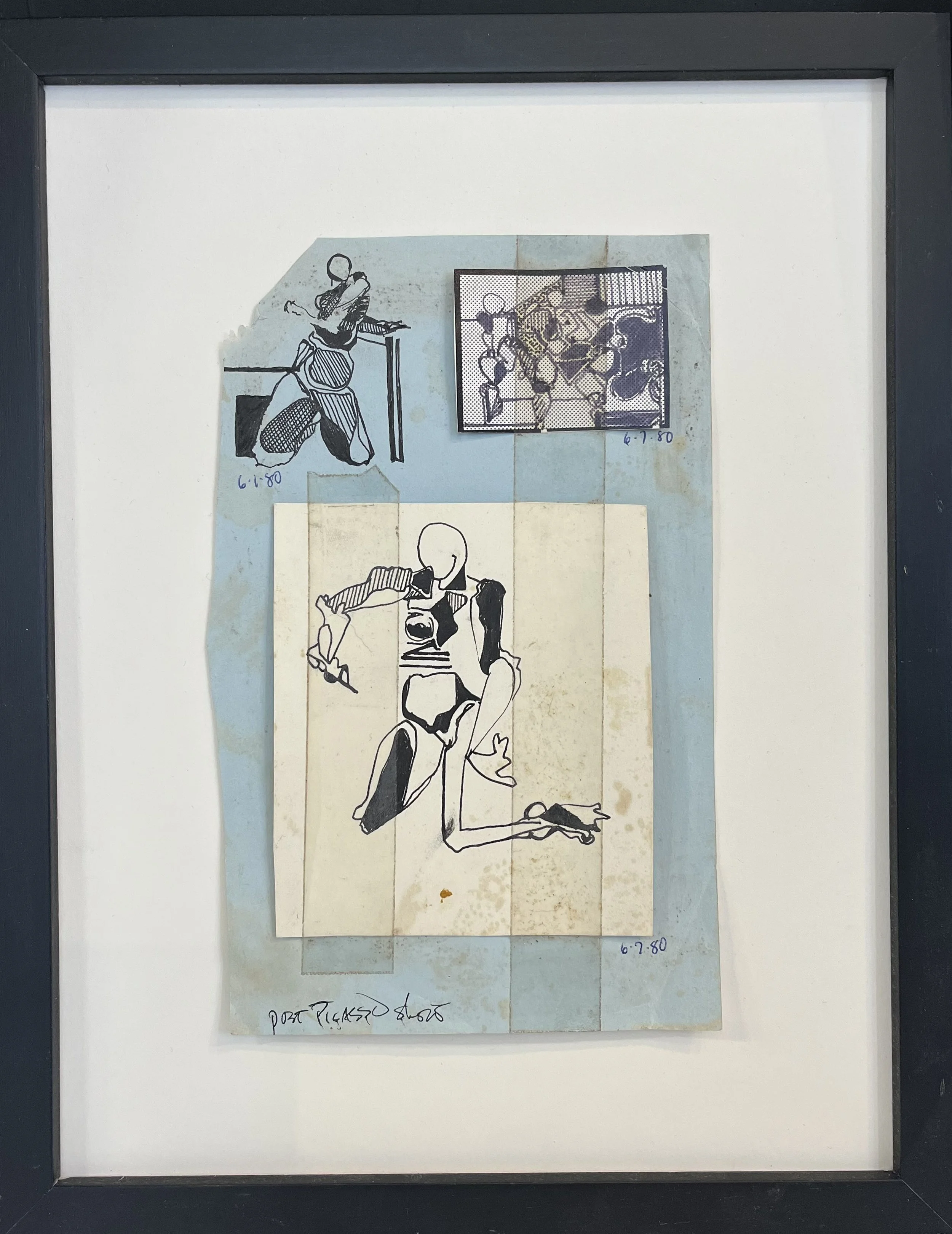
As a master printer at the legendary Chiron Press, he lent his technical brilliance to icons like Andy Warhol and Roy Lichtenstein. However, it was his own pursuit of "ideal balance" through Neoplasticism that defined his legacy as a painter and weaver.
The "Artistic Son" of Ilya Bolotowsky
For eleven years, Johnson served as the primary studio assistant and exclusive printer for Ilya Bolotowsky, a founding member of the American Abstract Artists. Their partnership was a rare creative kinship; Bolotowsky famously referred to Gerald as his "artistic son."
Together, they explored the boundaries of Constructivism, creating works that sought to transcend the chaos of the world through rigid geometry and vibrant, harmonious color. Today, Johnson’s work carries that torch forward, offering a meditative look at structural perfection.
His Artistic Style: "Step Paintings" and Sand
When he wasn't printing for others, Johnson developed a distinct personal style that evolved through several phases:
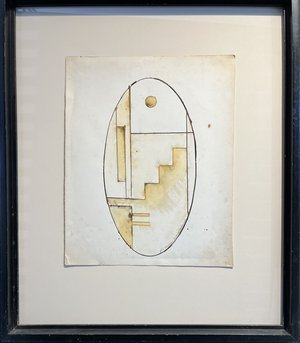
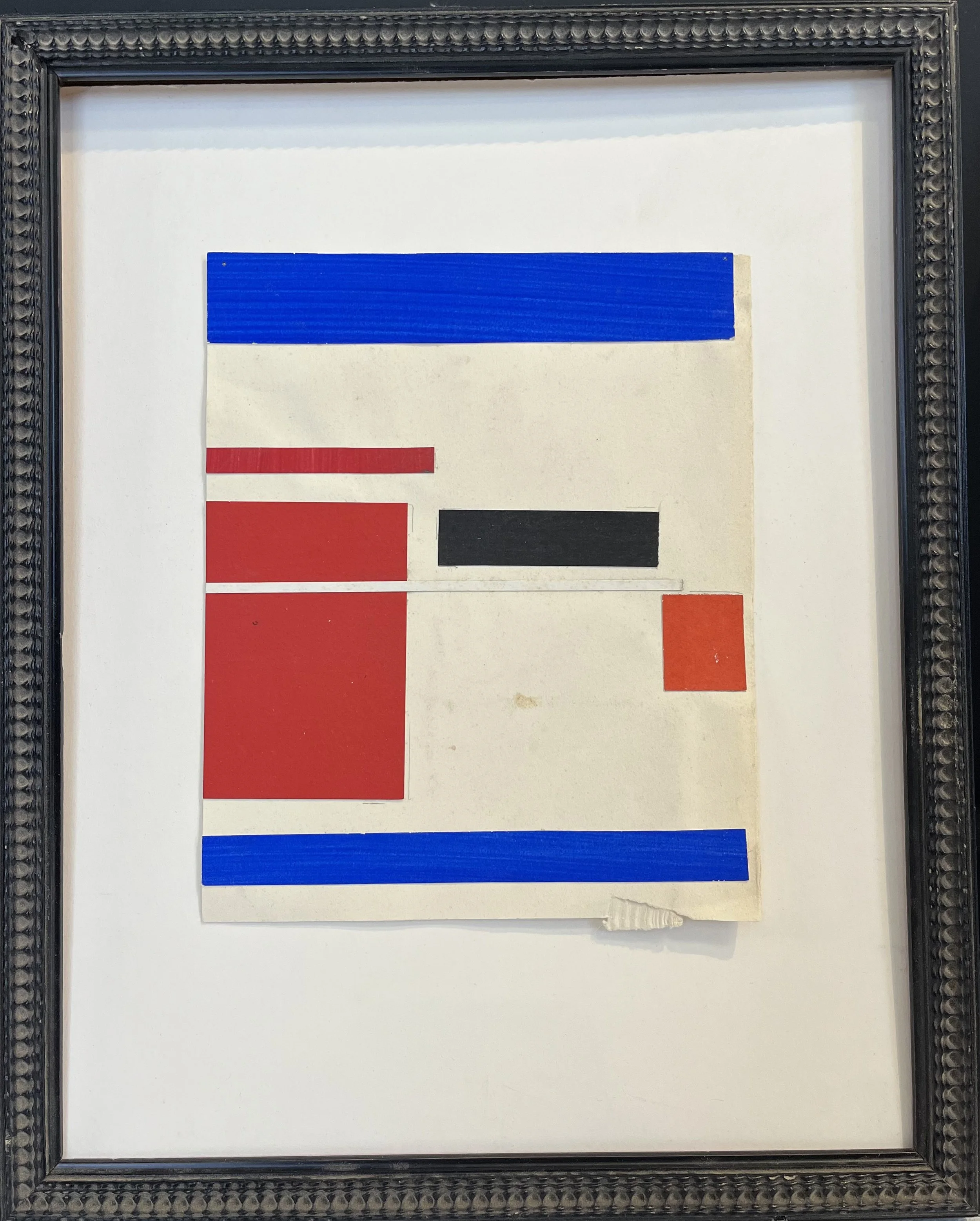
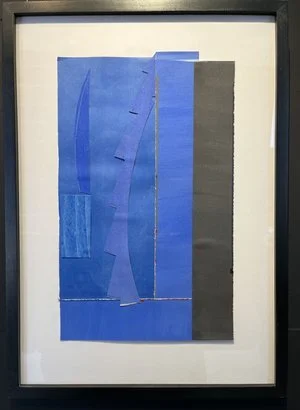
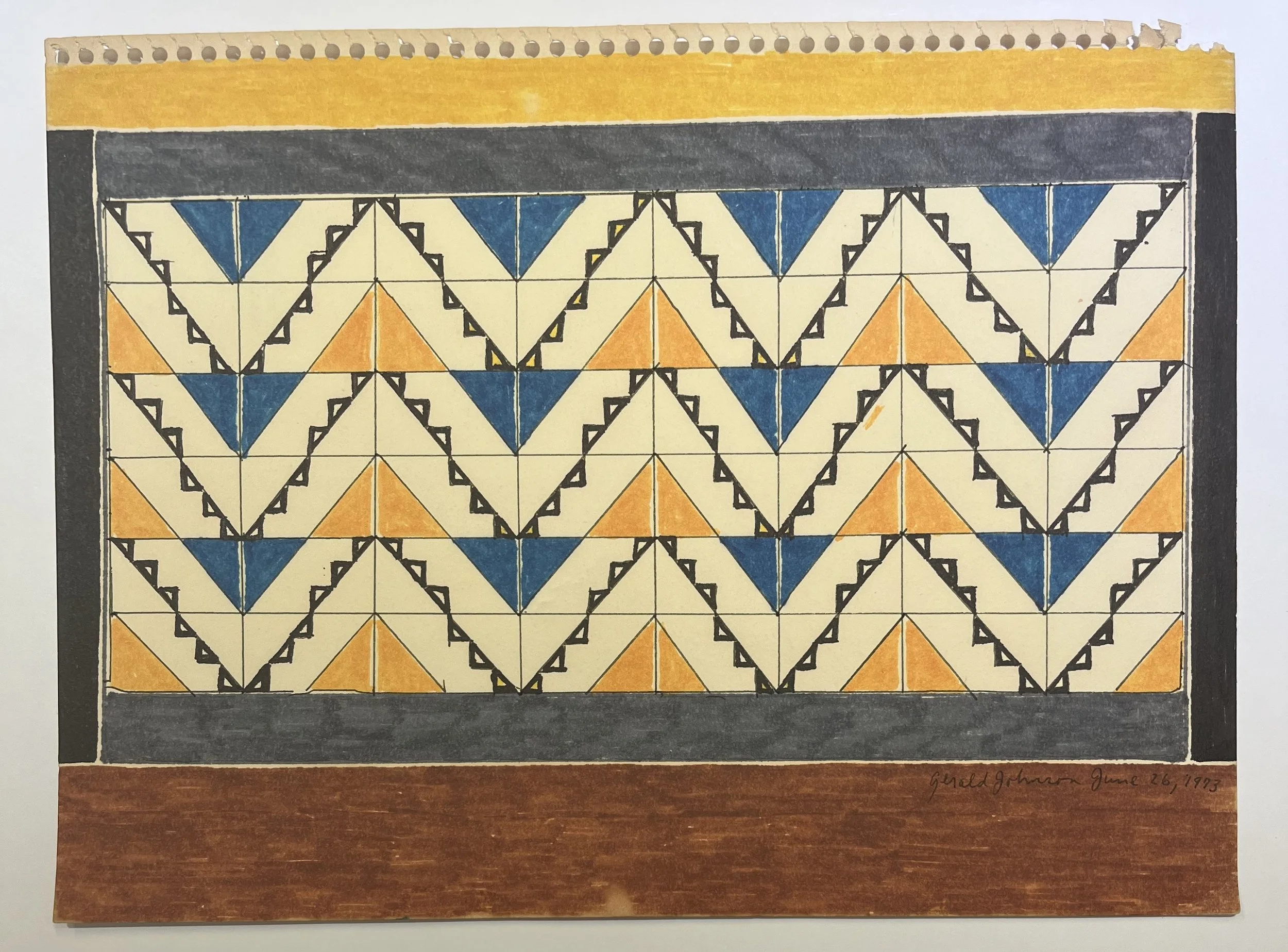
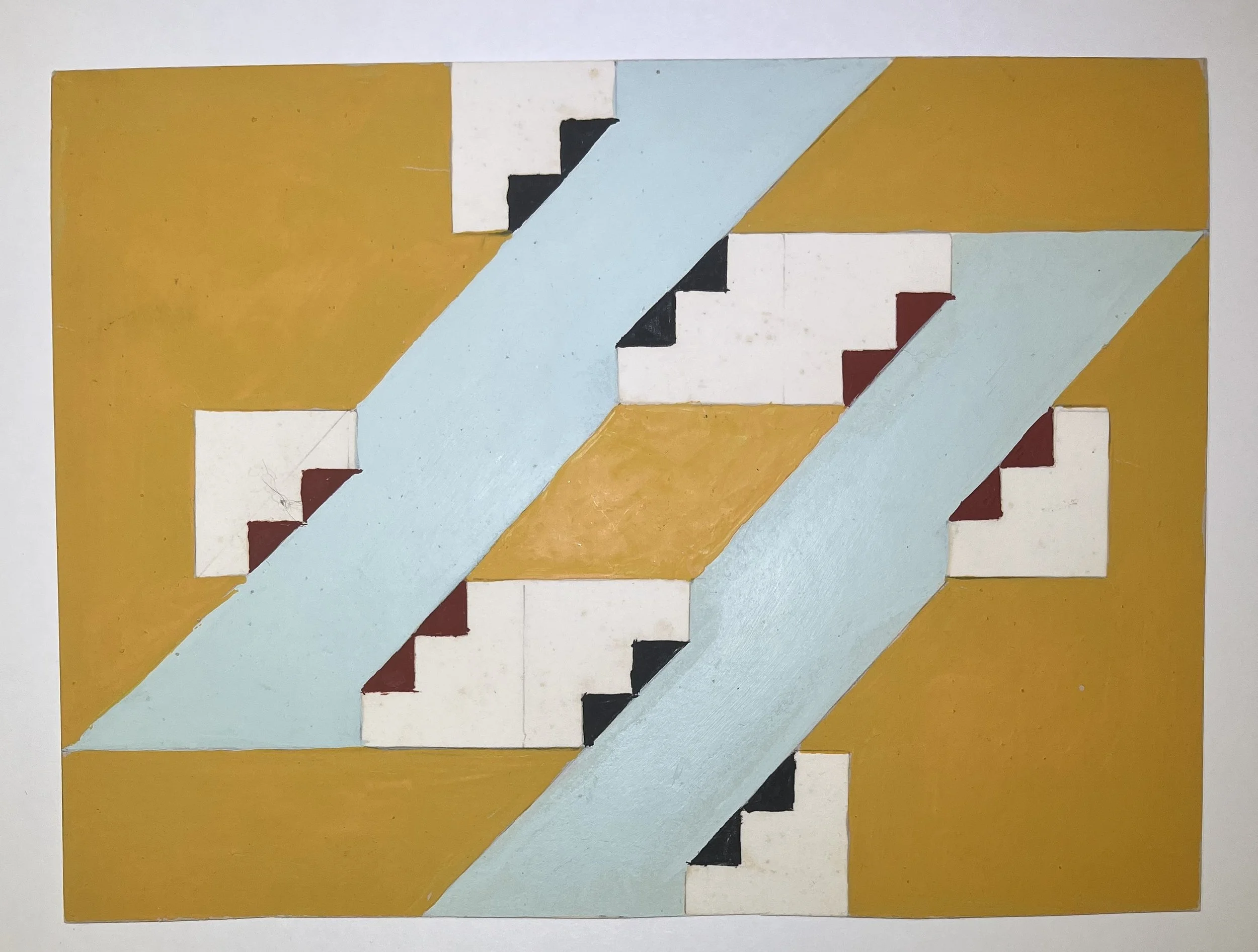
• Geometric Abstraction: Much of his work consists of "Step Paintings"—compositions where bars of color appear to descend or ascend like a staircase. These pieces play with the viewer's perception of depth using flat, hard-edged lines.
• The Bauhaus Influence: His work followed the strict discipline of the Bauhaus movement, focusing on the relationship between color and form.
• Sand Paintings: Later in his career, he experimented with texture by mixing sand into his pigments, creating a tactile, "earthy" contrast to his otherwise rigid geometric layouts.
Rediscovery and Legacy
For much of his life, Johnson was considered an "artist's artist," known within the industry but largely keeping his own portfolio out of the public eye. It wasn't until after his death in 2009 that his estate began to showcase the full breadth of his work.
Today, his art is recognized for its historical importance in the lineage of American abstraction, with pieces held in prestigious institutions like the National Gallery of Art in Washington, D.C.
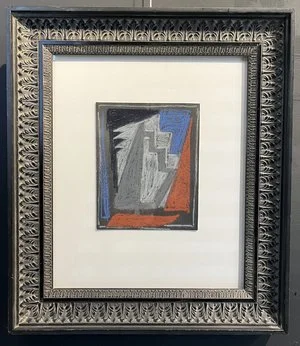
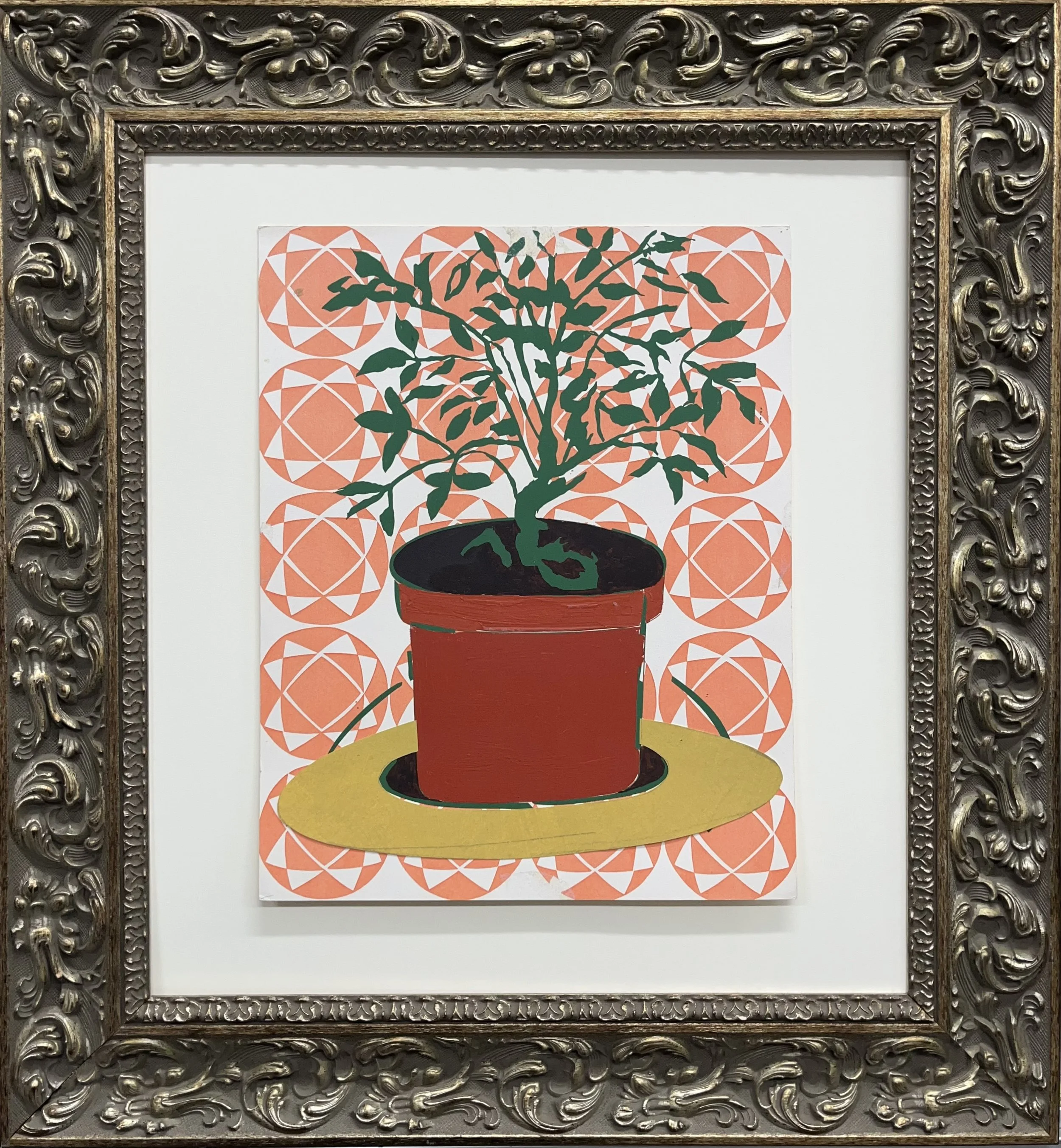
We’re fortunate to have a some of his work at Art House Picture Frames. Please stop in to browse and perhaps add a piece to your art collection.